Category Archives: Create a Website

A wooden desk by a window in soft morning light, with a handwritten notebook page of scribbled topic ideas, a mug of tea, a pair of resistance bands and a yoga mat rolled up beside i

What to Do in Your First Week on Wealthy Affiliate If You’ve Never Tried Affiliate Marketing

If you are wondering how to start affiliate marketing with Wealthy Affiliate, the most useful answer is a short sequence of small jobs, done in order. You do not need to understand everything in week one. By day seven you can have a niche chosen, a website running, and your first post written or well underway.

This walkthrough takes you through those seven days one at a time, with no experience assumed.

What affiliate marketing really is, in plain everyday words

Affiliate marketing means recommending a product or service you think is worth someone’s time, and earning a commission if they buy it through your personal link. The company handles the product, the payment and the delivery. Your job is to help the right person find the right thing.

That is why it suits beginners. You do not make anything, store anything or handle customer service. You write helpful content, and that content connects a person with a problem to a product that might solve it.

The word that matters most is helpful. A page that says “buy this” does little. A page that answers a real question honestly, and mentions a product where it fits, gives a reader a reason to click.

Before you sign up: choose a topic you could happily write about for a year

Your niche is the subject your website covers. Choosing it comes before anything else because every post, every keyword and every recommendation grows out of it.

The test is simple: could you write fifty articles about this without getting bored? You do not need to be an expert. You need steady curiosity, and enough interest to keep learning as you go.

A wooden desk by a window in soft morning light, with a handwritten notebook page of scribbled topic ideas, a mug of tea, a pair of resistance bands and a yoga mat rolled up beside it, suggesting a niche being chosen from real interests.

Run your idea through a few questions:

  • Do people ask questions about it? If you can think of ten things a beginner would want to know, you have a start.
  • Is there something to recommend? Affiliate income comes from products or services, so the topic should have some.
  • Is it narrow enough? “Fitness” is huge. “Home workouts for people over 50” gives you a clear reader to write for.
  • Would you still care in six months? A topic you like this week but would drop next month will be hard to keep writing about.

Spend an evening on this, then pick one and move on. Your niche can be adjusted later, and a first choice that is good enough beats a perfect one you never reach. If you notice yourself putting off decisions because nothing feels ready, this piece on starting before everything is perfect is worth reading first.

Your first hour inside Wealthy Affiliate: setting up and finding your way around

Day one is for setup and orientation, not for producing anything. Once you have joined, give yourself an hour to look around before you start any task.

Here is a sensible order for that hour:

  1. Complete your profile. Add a name and a short description of the topic you are going to write about. Other members will see this, and it helps you feel part of a community from the start.
  2. Find the training. Open the lessons and look at how they are organised. You are not trying to finish them, only to know where the beginner material is.
  3. Look at where members ask questions. Beginners ask things there every day. Reading a few threads shows you what others are working through, and you will find that your questions are common ones.
  4. Write your niche down. Put your chosen topic, and the type of reader you are writing for, in one sentence. You will use it all week.

Stop after an hour. Wealthy Affiliate has a lot in it, and trying to take it all in on day one is the quickest way to feel swamped. You will return to each area when you need it.

Building your first website without touching any code

Days two and three are for your website. This is the part that worries beginners most, and it is more manageable than it sounds. Wealthy Affiliate includes a website builder, so you set up your site by following prompts and making choices, with no programming involved.

A laptop on a tidy kitchen table showing a clean, airy blog homepage with generous white space and a simple readable layout, with a notepad and pencil next to it, warm afternoon light, calm and uncluttered feel.

Expect to make a handful of decisions:

  • A site name and address. Choose something short and easy to say aloud. It should hint at your topic without boxing you in too tightly.
  • A look. Pick a clean theme with a readable font and plenty of white space. Readers come for the words, so a plain design is fine.
  • A few essential pages. An about page and a contact page are enough for now. Your about page should describe who the site is for and what they will find there.

Do not spend hours on colours and logos. Your site will change as you learn what your readers like, and the design can be improved at any time. What matters in week one is that the site exists and is live.

If you want background on why the platform underneath many affiliate sites works well for both writing and search, this article on WordPress, SEO and content explains it in plain terms.

Writing your first three posts for real readers, not for perfection

From day four, you start writing. The goal for the week is to finish your first post and have the next two planned or begun.

Pick topics from real questions

Think about what a person new to your niche would type into a search box. Then turn those questions into post ideas. If your niche is home workouts for over-50s, a first post might be “Gentle morning stretches you can do in ten minutes.” It is specific, it is useful, and it is clear who it is for.

An older woman in comfortable workout clothes doing a gentle seated stretch on a mat in a bright living room, a phone propped nearby, the kind of scene a first post on morning stretches for over-50s would describe.

If you run short of ideas, three strategies for coming up with blog content can help you fill a list quickly.

Give each post a simple shape

A first post does not need a clever structure. This one works for almost any topic:

  • An opening paragraph that names the problem the reader has.
  • Three to five sections, each answering one part of the question.
  • A short ending that tells the reader what to do next.

Write the way you would explain the subject to a friend. Short paragraphs and plain words are easier to read on a phone, which is where many of your readers will be.

Publish before it feels finished

Your first post will not be your best, and that is expected. A published post teaches you more than a draft sitting in a folder, because you see how it looks on the page and you can improve it later. Aim for a post that is clear, honest and useful, then publish it.

Using keyword research so the right people can find you

Keyword research tells you which phrases people actually type into search engines. It turns writing from guesswork into a choice about what to cover. Wealthy Affiliate includes a keyword research tool, so you can do this inside the platform.

Do this on day five, once you have your first draft in progress, and use it to shape your next posts too.

When you look at a keyword, ask:

  • Is it specific? A phrase of several words, such as “easy stretches for stiff knees”, is usually easier for a new site to be found for than a single broad word like “stretching”.
  • Does it match a real need? Imagine the person typing it. If you can picture what they want, you can write a post that gives it to them.
  • Does it fit your niche? The best keywords are ones where you can write something useful, and where a recommendation could sit naturally.

Choose one main phrase per post and use it in the title, in the opening paragraph and in a heading or two. Then write for the reader. Repeating the phrase over and over makes a post harder to read and does not help it rank.

Where commissions come from, and why patience is part of the plan

Commissions come when a reader clicks your link and then buys. For that to happen, three things must be in place: your content has to be found, the reader has to trust it, and the recommendation has to suit their need.

Search engines take time to discover and rank a new site, so you should not expect income in week one. Nobody can tell you how long it will take, because it depends on your niche, how often you publish and how useful your posts are. What you can control is the work: publishing regularly, choosing keywords carefully, and improving older posts as you learn.

It helps to measure progress by what you do, not by earnings, at least at the start. Posts published, keywords researched and questions answered are all things you can count each week, and they are the activities that lead to income later.

Your next seven days as a simple checklist

A paper wall calendar showing one week, with the first few days neatly ticked off in green pen, a sticky note and a pen resting on a clean desk, soft natural light, a sense of steady progress.

Here is the whole week in one place. Tick each item as you go, and if you fall behind on a day, carry the work forward and keep going.

Day 1: Set up and look around

  • Complete your profile.
  • Find the beginner training and read the first lesson.
  • Read a few member questions to see how people help each other.

Day 2: Choose your niche and name your site

  • Write your niche and your target reader in one sentence.
  • Pick a site name and address.

Day 3: Build the site

  • Use the website builder to create your site.
  • Choose a clean theme.
  • Add an about page and a contact page.

Day 4: Plan your first three posts

  • List ten questions a beginner in your niche might ask.
  • Choose the three that you feel most able to answer.

Day 5: Do your keyword research

  • Find a main phrase for each of your three posts.
  • Note any related phrases you could use as headings.

Day 6: Write your first post

  • Draft it in one sitting using the simple structure above.
  • Read it aloud once and fix anything awkward.

Day 7: Publish and prepare the next one

  • Publish your first post.
  • Begin your second post, even if you only write the opening paragraph.

At the end of the week you will have a niche, a live website and a published post, with more on the way. That is a real foundation, and every week after it repeats the same cycle: research, write, publish, improve.

Ready to try it for yourself? Join Wealthy Affiliate through my referral link and start your own first week, and send me a message if you get stuck along the way.


The Solopreneur Survival Guide


Being a solopreneur is a whirlwind of emotions and experiences. It’s not just about running a business; it’s about wearing every hat imaginable. One moment you’re strategizing like a seasoned CEO, and the next, you’re knee-deep in tasks that seem so far removed from your main game plan.

This path means you’re the mastermind behind every success and the sole bearer of setbacks. It’s exhilarating and terrifying in equal measure. But what keeps this journey so exciting is the freedom and the potential to shape your own destiny. The thrill of achieving a milestone that seemed out of reach is unparalleled.

To navigate this roller coaster, it’s important to prepare mentally. Understanding that there will be ups and downs is crucial. Some days it feels like everything’s falling apart, and others, you’re on top of the world. But that’s the nature of the beast, and knowing this helps in staying grounded.

Balancing passion with pragmatism is key. It’s easy to get swept up in a gust of enthusiasm driven by your passion. Yet, blending in a dash of pragmatism keeps your ventures sustainable. While chasing dreams, practical planning and realistic goal setting form the bedrock of growth.

Hearing from others who’ve walked this path can provide invaluable insights. Personal stories from seasoned solopreneurs can be motivating and serve as a powerful reminder that you’re not alone in this innovative yet challenging journey. Leaning into their experiences highlights the shared nature of the solopreneurial grind, offering camaraderie in what often feels like a solitary expedition.

The Growth Journey: How It Truly Works

Growth in solopreneurship isn’t a straight line. It’s more like a series of waves—peaks of achievement followed by the calm moments where it feels like nothing’s moving. Understanding this rhythm helps prepare for both breakthroughs and quieter times.

Experiencing plateaus can be frustrating, yet they serve as prime opportunities for reflection. These are the times to reassess goals, fine-tune strategies, and prepare for the next wave of growth. It’s a bit like surfing; when the wave’s not there, you’re paddling with purpose, waiting for the next big ride.

Strategically leveraging successes, even small victories, propels forward momentum. Celebrating achievements, no matter how minor, builds the confidence to tackle larger goals. Each win, no matter the size, is a stepping stone to greater success.

Measuring growth involves more than just financial metrics. It’s about recognizing progress in skills, network expansion, brand reputation, and customer satisfaction. Knowing which metrics matter most to your specific journey assists in tracking meaningful growth instead of getting lost in numbers that don’t tell the full story.

ROI on Time: Getting the Most from Your Day

Managing time effectively is a skill every solopreneur must master. Time is your most valuable resource, and how you spend each hour can significantly impact your business’s success.

Prioritizing tasks that bring the highest returns is essential. It’s tempting to tackle easy tasks first, but focusing on high-impact activities ensures that your efforts translate directly into growth. Ask yourself what tasks align most closely with your goals, and invest your energy there.

Utilizing tools and technology can streamline your workflow. Time-tracking apps, project management software, and automation tools help you manage tasks efficiently. The right tools can transform how you handle day-to-day operations, freeing up time for strategic activities.

Creating a structure for your day helps maintain focus and prevents overwhelm. Successful solopreneurs often swear by a well-organized schedule. Block off time for specific tasks and stick to this routine. This discipline ensures that essential tasks don’t get sidelined by less important distractions.

Finally, remember to factor in breaks. Productive work isn’t about grinding non-stop, it’s about maintaining quality. Short breaks recharge the mind, allowing you to return to tasks with renewed focus and creativity.

The Never-Ending Battle and Resilience

In the world of solopreneurship, resilience is your best ally. The journey comes with a constant back-and-forth between success and struggle. One moment, you’re soaring; the next, you might be facing unexpected downturns.

Recognizing these peaks and valleys is crucial for maintaining a balanced perspective. Experiencing setbacks doesn’t mean failure—it’s just a natural part of the process. Understanding this helps you build the mental strength required to push through tough times.

Every successful solopreneur has a story of perseverance, tales of hitting rock bottom and finding a way back up. These experiences teach valuable lessons about grit and adaptability. They remind us that persistence in the face of adversity often leads to the greatest personal and professional growth.

It’s important to cultivate a support network. Finding allies in other solopreneurs or mentors can provide guidance and encouragement when the going gets tough. Sharing experiences and insights with others on the same path can make the journey less solitary and more fulfilling.

Ultimately, the key to not losing is simply not giving up. Even when challenges seem insurmountable, maintaining forward momentum, however small, keeps you on the path to achieving your goals. The ability to keep going, through every challenge, ensures that you stay in the game long enough to see success emerge from any struggle.


AI-Powered Affiliate Riches: How To Automate Your SEO & Bank Bigger Commissions

Unleash the power of AI in your affiliate marketing strategy. Master SEO automation, craft captivating content, and skyrocket your site's profitability with our insider tips.


How AI-Powered Affiliate Sites Are Changing the Game

Trying to stand out as an affiliate marketer feels tougher than ever. Years ago, it was a little easier to grab some keywords and see decent traffic just by publishing content regularly. Fast-forward to today, and you’ll notice Google’s gotten a lot smarter. Generic sites and copycat content rarely stick. The good news is, AI is helping regular folks skip a lot of the grunt work and create affiliate sites that look way more legit, get noticed by search engines, and bring in steady commissions. The days of keyword-stuffing and random article spinners are gone. Now it’s all about smart automation that helps you do more with less effort.

Why Automating SEO Matters for Affiliate Marketers

SEO isn’t just a checklist; it’s at the core of making affiliate sites that actually earn money. I see plenty of people chasing the next hot product or link scheme, only to wind up with thin traffic that never pays off. With AI tools, I can automate so much of the process, from keyword research all the way to content audits and link prospecting. That means less busywork and more time fine-tuning campaigns, which directly helps me make more consistent affiliate sales. AI isn’t a “set it and forget it” magic button, but it’s pretty handy for speeding up the boring stuff and letting me focus on what works.

The Modern Playbook: How AI Tools Shape Profitable Affiliate Sites

Breaking down the new approach, here’s how I use AI to build affiliate projects that don’t just blend in:

  • Automated Keyword Research: Instead of guessing what buyers want, AI-powered keyword tools (like SurferSEO, Ahrefs, or SEMrush’s AI integrations) scrape the SERPs and spot gaps that are winnable. They even suggest longtail keywords or question-based queries I’d miss on my own.
  • Topic & Content Development: Modern AI writers (think Jasper, ChatGPT, or Copy.ai) craft outlines, generate drafts, and rewrite product reviews in seconds. Pair that with topical clusters and automated content briefs, and I’m not stuck writing from scratch.
  • Link Prospecting & Outreach: Some AI platforms can help build outreach lists and draft emails, taking the pain out of securing guest posts or resource mentions for better backlink profiles.
  • On Page & Technical SEO: AI site auditors highlight technical SEO fixes, optimize headings, image alt text, and even create schema markup. All handled automatically, so I don’t have to dig through every page.

Using the right tools is important, and I’m always testing out new platforms to keep my workflow sharp.

Step-by-Step: Automating Your Affiliate SEO Workflow with AI

If you’re brand new to this, getting overwhelmed is common. There’s a lot of noise and shiny new tools popping up daily. Here’s how I tackle things step by step:

1. Finding Profitable Niches with AI

Instead of scrolling random forums for “easy niches,” I lean on AI to analyze traffic trends, competition, and untapped keyword clusters. Tools like Exploding Topics and Ahrefs’ Keyword Explorer, powered by AI, track new product trends or rising questions in real time. When a niche starts seeing a spike but isn’t oversaturated, I jump in faster.

2. Automated Content Planning

AI-driven content planners are a game-changer. I enter my niche, and the tool spits out hundreds of topic ideas built around pillar keywords, product comparisons, FAQs, and buyers guides. Feed this data into your AI writing assistant, and batch-create solid first drafts for weeks ahead.

3. Generating SEO-Optimized Content

Most of my content starts with an AI-generated rough draft (using tools like Jasper or ChatGPT), but I always add my spin, expert tips, and product experience. AI helps fill in supporting facts and surface competitor questions, so my reviews feel deeper and more legit than typical generic write-ups. Internal linking and semantically related terms are automatically suggested, which is great for boosting on-page SEO without stress.

4. Building Smart Internal Links

AI-powered SEO plugins (like Link Whisper or SurferSEO’s internal link suggestions) make linking up my top pieces and adding contextual anchors a breeze. Google rewards well-structured internal links, and with AI, I can maintain link hygiene, distribute authority, and help new pages rank without hand-coding.

5. Automated Technical & On-Page Audits

Keeping a site healthy is tough. Technical issues, slow pages, missing meta tags, or duplicate content sneak in. AI-based SEO auditors keep an eye out and shoot me simple fixes. I rely on Screaming Frog with AI plugins or Sitebulb for actionable reports. These tools reduce site errors that can sabotage rankings and commissions.

AI Copywriting: Making Your Affiliate Site Stand Out

There’s a lot of hype around AI writing, but not every tool creates content that feels real or persuasive. The trick I’ve learned is to start with AI, then layer in my voice and genuine opinions. Here’s how to squeeze the most value out of AI-generated copy:

  • Use AI for Outlines & Drafts: Gather key data and address buyer FAQs quickly.
  • Inject Real Experience: Add personal product examples, photos, or hands-on tips (even if it means ordering the product myself).
  • Edit for Tone and Trust: Give articles a natural, relatable tone. I always double-check stats, add clear pros & cons, and make sure I sound helpful instead of robotic.

Combining AI speed with your real insights frames you as an expert, which matters for those Google E-E-A-T guidelines.

Link Building with AI: Smarter Outreach, Faster Growth

I used to spend hours tracking down sites to pitch for backlinks. AI-driven link-building tools now scan the web for quality opportunities, prioritize prospects, and sometimes even draft intro emails. That means less busywork and more chances to get solid links that actually move the needle. I recommend tools like Respona or BuzzStream with AI automation to manage lists, create custom pitches and follow-ups, and stay organized as campaigns grow.

Tracking Results and Tweaking for Bigger Commissions

One of the biggest mistakes is “set it and forget it” thinking. Even with tons of automation, I keep a close eye on analytics, affiliate dashboard stats, and ranking changes. AI-powered reporting tools crunch performance data, flag weird drops or new wins, and even predict emerging opportunities. Google Analytics 4, Search Console with AI plugins, or custom dashboards offer quick insights that help me update my strategy when needed. Maybe swapping out underperforming products, reworking old content, or doubling down on what’s already working.

Common Pitfalls: Avoiding Trouble with AI-powered Affiliate Marketing

AI tools are pretty sharp, but they’re not perfect. It’s easy to end up with content that feels thin or too similar to what’s already online. I stay on top of things by editing heavily, adding real research, and regularly refreshing posts. Also, I’m careful about automating link outreach so it doesn’t come off as spammy. Personalization and quality are super important to avoid algorithm penalties or burning out potential partners.

Stacking AI Tools for Maximum Affiliate Success

I’ve experimented with a ton of stacks and integrations, and here’s a quick toolset I rely on:

  • Ahrefs, SEMrush, Exploding Topics: AI-driven research, keyword discovery, authority tracking.
  • Jasper, ChatGPT, SurferSEO: Fast content outlines and on-page optimization.
  • Link Whisper, Respona: Internal linking and backlink outreach that scale.
  • Screaming Frog, Sitebulb: Technical audits and fix suggestions on autopilot.

Combining these gives me a serious edge in automating repetitive work so I can focus on product research, negotiation, and connecting with readers.

Getting Started: Tips for Affiliate Marketers New to AI

Jumping in doesn’t need to be overwhelming. A few small steps go a long way:

  • Pick one process to automate first, maybe keyword research or content outlines, and get comfortable before adding more tools.
  • Focus on real value for your readers. The best sites help people make smart buying choices, not just chase clicks.
  • Keep learning; AI changes quickly, and staying on top of updates means you’ll spot new angles before your competition.
  • Always review what your tools spit out and make it your own. Human touch still wins. AI just helps you move faster.

With the right mix of tools and hands-on effort, banking bigger affiliate commissions feels a lot more doable, even for small sites or solo creators.

For affiliate marketers willing to get involved and put in the effort, AI automation has made the game much more accessible. Instead of grinding through tedious research or manual outreach, you can focus on strategy, connect with your audience, and keep growing. If you’re ready to get into the new era of affiliate marketing, now’s your chance to set up smarter systems and see how far you can take it.


Stop Waiting For Perfect: Start Building Your Online Empire Today

Transform your entrepreneurial fears into opportunities! Embrace action, purpose, and smart strategies to thrive in your online business journey.


Are You Ready to Leap? How to Transform Entrepreneurial Doubts into Opportunities

Are you standing at the edge of your entrepreneurial dreams, wondering if you should leap? Or perhaps you’re already on the journey but feeling stuck in the daily grind? You’re not alone. Every entrepreneur has faced the gnawing feeling of doubt, the nagging questions that make them second-guess their abilities or timing. But here’s the thing: fear and uncertainty are part of the adventure. The difference between those who build successful online empires and those who stay in the “what if” zone boils down to one word: action.

Embrace a Mindset of Abundance

As Richard Branson, founder of Virgin Group, wisely put it, “Business opportunities are like buses, there’s always another one coming.” Think about that for a moment. One missed opportunity is not the end. Instead, it’s a lesson, a stepping stone, a chance to refine your vision. Too many aspiring entrepreneurs throw in the towel after their first flop, but failure is merely a signal that you’re moving, you’re trying, and you’re learning.

What if I told you that the difference between mediocre success and explosive growth lies not in avoiding failure but in embracing it? Instead of running from challenges, welcome them. Every “no” you face is a step closer to a “yes.” Every setback sharpens your strategy and, most importantly, your entrepreneurial grit.

Taking Action: The Cure for Analysis Paralysis

Picture this: You’ve spent weeks (or even months) analyzing your online business idea, tweaking your plans, perfecting your website, and refining your sales funnel. But here’s a hard truth: no amount of preparation can fully shield you from the unpredictable nature of entrepreneurship. At some point, you have to launch.

It’s common to get stuck in “analysis paralysis.” We convince ourselves that we just need to do a *little* more research, find a *slightly* better way, or wait for the *perfect* time. The reality? Perfection is an illusion. A messy start trumps a perfect idea left unrealized. So, if you’ve been toying with launching a blog, creating that course, or jumping into affiliate marketing, just start. The only way to refine your vision is through action.

Fuel Your Business with Purpose

Another thing that separates the dreamers from the achievers is a deep sense of purpose. If you’re starting an online business solely because you think it’ll be an easy way to make money, you’re likely to fizzle out. Money alone won’t sustain you during those inevitable dry spells. Purpose, however, can.

Ask yourself: *What problem am I passionate about solving? Whose life do I want to impact?* Maybe you’re passionate about music and dream of bringing affordable courses to budding artists. Or perhaps you’re fascinated by the world of chess and want to teach strategy to newcomers. Whatever your passion, let it fuel your business vision. When your work is driven by a genuine desire to help or inspire, setbacks become mere bumps in the road instead of stop signs.

Leverage the Power of Online Tools and Communities

Feeling overwhelmed? Welcome to the club. The good news is that you don’t have to do this alone. The internet is bursting with tools, courses, and communities designed to make your entrepreneurial journey smoother.

Take online platforms like WordPress, for example. WordPress powers over 40% of all websites and has revolutionized the way we create and manage online content. Add tools like Siterubix for building websites or SEO plugins like Yoast, and you’ve got a recipe for maximizing your reach. If you’re wondering where to begin, check out communities like Wealthy Affiliate, where you’ll find thousands of people on the same journey, ready to share insights and encouragement.

Monetize Smartly, Not Desperately

Once your website is live or your YouTube channel is growing, the question is: How do you monetize? It’s tempting to plaster ads everywhere or push every affiliate link you can think of, but that approach often backfires. Remember, people come to you for value, not to feel like they’re walking through a shopping mall.

Instead, think about how you can integrate monetization that feels natural and valuable. If you run a blog about mobile optimization, partner with hosting providers or website builders that truly make a difference. If you create content for teens, consider brands that align with their lifestyle and aspirations. The goal? To make sure every recommendation you give is authentic and helpful. Not only will this strengthen your reputation, but it will also increase conversions.

Celebrate Your Wins (No Matter How Small)

Building a successful online business is no sprint. It’s a marathon with stretches of open road and patches of steep hills. The trick? Celebrate every win, no matter how small. Did you make your first affiliate sale? Pop the champagne (or maybe just treat yourself to your favourite dessert). Launched your YouTube channel? Shout it from the rooftops. These milestones are proof that you’re moving forward and that your efforts are paying off.

Final Thoughts: Success Is an Iterative Process

Entrepreneurship is a continuous loop of testing, learning, and refining. There will be days when you feel unstoppable, and days when you want to throw your laptop out the window. When the latter strikes, revisit your purpose. Remember why you started and let that guide you through the challenges.

And never forget: every single successful entrepreneur was once a dreamer, standing exactly where you are now, wondering if they should take the leap. Their secret? They did. They failed, they learned, they adapted, and they grew. Now, it’s your turn.

So, are you ready to leap? Because the next bus of opportunity is coming. Don’t miss it.


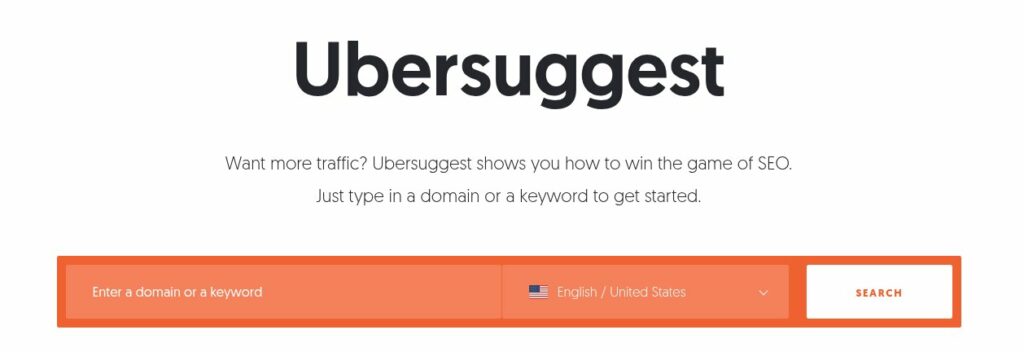
Ubersuggest: The Ultimate SEO Tool for Solopreneurs and Affiliate Marketers


Are you tired of struggling to get your website noticed in the vast sea of online content? Do you dream of attracting a steady stream of targeted traffic that converts into loyal customers and affiliate commissions? Look no further than Ubersuggest, the game-changing SEO tool developed by marketing guru Neil Patel.

Tired of watching your competitors grab those top Google spots while your content struggles to be seen? Here’s the game-changer: Ubersuggest reveals exactly what your audience is searching for, and more importantly, how to outrank everyone else who’s fighting for their attention. Imagine knowing precisely which keywords will skyrocket your content to page one, while your competition keeps guessing. The best part? Thousands of successful solopreneurs are already using these insider insights to turn their websites into profit machines.

Keyword Research Made Easy

One of the most powerful weapons in Ubersuggest’s arsenal is its keyword research tool. With just a few clicks, you can uncover the most profitable keywords in your niche, complete with essential metrics like search volume, cost-per-click, and competition level. Say goodbye to guesswork and hello to data-driven content creation that attracts your ideal audience like a magnet.

But Ubersuggest doesn’t stop there. Want to know what your audience is desperately searching for—before your competitors do? Every time you use Ubersuggest, you’ll unlock a treasure trove of winning content ideas that practically write themselves. Just imagine: No more staring at blank screens or second-guessing your topics. Instead, you’ll tap into real questions your audience is asking right now, spot trending topics before they peak, and create the exact content your readers are hungrily waiting for. Ready to be seen as the expert who always knows what’s next?

Spy on Your Competitors and Steal Their Secrets

Want to know what your competitors are up to? Ubersuggest’s competitor analysis features give you a front-row seat to their online strategies. Discover the keywords they’re ranking for, the content that’s driving their traffic, and the backlinks propelling them to the top of search results. Armed with this intel, you can reverse-engineer their success and carve out your own slice of the market.

But why stop at imitation when you can dominate? Ubersuggest helps you identify keyword gaps, areas where your competitors are ranking but you’re not. These untapped opportunities are your ticket to creating content that sets you apart and attracts a whole new audience to your site.

Optimize Your Website for Maximum Impact

Even the most brilliant content won’t perform if your website is plagued by technical issues and poor optimization. That’s where Ubersuggest’s site audit tool comes in, scanning your site for potential problems and providing actionable recommendations to boost your SEO score.

Ever wonder why some websites effortlessly attract visitors while yours feels stuck in the slow lane? Ubersuggest works like a 24/7 SEO expert on your team, spotting hidden problems that are sabotaging your success. No more tech headaches or confusing SEO jargon—just crystal-clear action steps that transform your website into a traffic-pulling powerhouse. Even if you’ve never touched a line of code, you’ll master SEO like a pro within minutes. Why let technical issues steal your visitors when fixing them is this easy?

The Bottom Line: Ubersuggest is a Must-Have for Online Success

Whether you’re just starting your affiliate marketing journey or you’re a seasoned pro looking to take your business to the next level, Ubersuggest is an investment you can’t afford to miss. With plans starting at just $29 per month and lifetime deals that offer unbeatable value, you’ll gain access to a tool that pays for itself many times over in increased traffic, conversions, and commissions.

But don’t just take our word for it. Neil Patel, the founder of Ubersuggest, uses the tool himself to power his multi-million-dollar online empire. With glowing reviews from countless satisfied users, it’s clear that Ubersuggest is the secret weapon of choice for savvy marketers around the world.d the world.

So what are you waiting for? Sign up for Ubersuggest today and join the ranks of elite affiliate marketers who are living the laptop lifestyle on their own terms. With Ubersuggest in your corner, there’s no limit to how far you can go.

Ready to supercharge your online success? Click here to try Ubersuggest risk-free and see the results for yourself. Your dream life is just a few keywords away.