Category Archives: Success

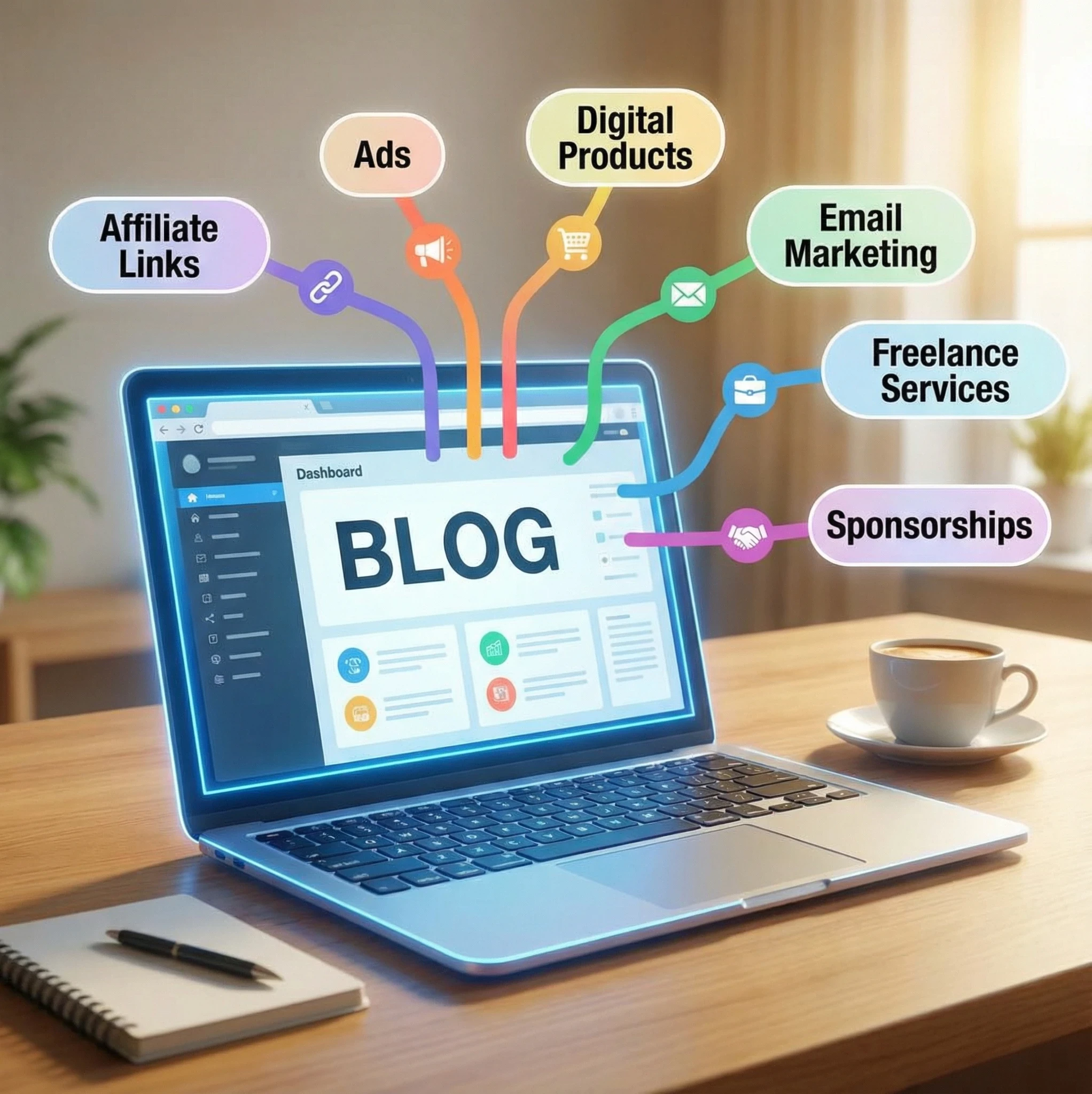
Diversify Your Blog’s Income Streams: A Comprehensive Strategy Guide


Hey Solopreneurs,

Leaning on just one way to make money from your blog is like putting all your eggs in one little basket. It’s risky business. If that one method takes a nosedive, so does your blog income. So, spreading out your sources is just smart. You get a safety net for those unexpected hiccups and bumps along the way.

Diverse income streams aren’t just safer, they mean more money. Different types of income can roll in from all sorts of angles. Just think about combining things like affiliate links, sponsored posts, and selling your own stuff. Each of these has its own pace and paycheck, helping level out those ups and downs and bringing in more steady cash flow.

Take, for instance, bloggers who do it all. They’re nabbing affiliate deals on the side while also getting paid for sponsored content. At the same time, they might be selling e-books or online courses. It’s a multi-pronged approach that works wonders for financial growth and stability. These bloggers often see a rich blend of revenue streaming in, illustrating the perks of not putting all their eggs in one basket.

Aside from financial peace of mind, a diversified income strategy can give you the freedom to experiment and grow your blog in unique ways. Trying out various income streams can help in finding new audience interests and gathering insights on what brings in the most value to both them and you. Being flexible and adaptive in your financial plans can pave the way for more innovative content and offerings that resonate with your readers.

Exploring Monetization Methods: Affiliate Marketing and Sponsored Content

Affiliate marketing is a game-changer for bloggers wanting to mix some steady earnings into their money pot. It’s all about promoting products or services you believe in and earning a commission whenever your readers buy through your special links. But the magic comes from choosing affiliates that match your blog’s vibe and your audience’s needs. If your niche is cooking, then kitchen gadgets or recipe books might be your jam.

Getting started with affiliate marketing isn’t too tricky. Research and join reputable affiliate programs offering products that perfectly align with your content. Consider whether their offerings are things your audience will genuinely benefit from or enjoy. Once set up, integrate these links into your blog naturally. You don’t want to throw them everywhere; make sure they really gel with your content.

Switching gears to sponsored content, this is where brands pay you to create posts that feature their products or services. It’s a fantastic way to monetize your expertise and platform while providing something valuable and relevant to your audience. But always make sure these sponsored pieces resonate well with your blog’s purpose. Your readers trust you, so keeping authentic content is key.

The path to securing sponsorships can look a bit intimidating, but a direct approach works wonders. Start by reaching out to brands that you genuinely like, and that fit seamlessly with what you’re doing. Pitch your ideas on how a collaboration could benefit both parties. Brands appreciate when you come with a plan and a clear understanding of their needs and your audience’s interests.

Unlocking Potential with Digital Products and Services

Diving into the world of digital products can be a brilliant next step for blog income diversification. We’re talking tangible value, something your audience can really sink their teeth into. Think e-books, online courses, or even templates and printables. These are things that make your readers’ lives easier while leveraging your expertise.

Creating digital products starts with knowing what your audience needs. Look into your blog’s analytics to spot trends or common questions your readers are asking. Use that insight to create something truly valuable, like an e-book filled with recipes, a fitness plan tailored to beginners, or an online course in personal finance basics.

One big part of launching digital products is pricing. Set tag prices that reflect the value visitors get while making them accessible. Consider offering them at a lower launch price to build initial interest or bundle several products together for a package deal. Experiment with what works best for your audience.

Marketing your digital products is where the magic happens. Email marketing, in particular, can be your best friend here. Build a strong email list by offering freebies that lead into your paid content. Regularly engage with your subscribers, and when it’s time to launch or promote a product, they’ll likely appreciate the heads-up because it’s something that fits their interests.

Remember, digital products aren’t just a way to earn; they’re a way to establish your authority and expand your reach. Each sale is a vote of confidence in your knowledge and expertise. Plus, as your product library grows, so does your chance to make passive income, offering enduring value to readers.

Driving Traffic: Enhancing Visibility and Engagement

Boosting traffic isn’t just about decor, it’s the lifeblood of diverse income. More traffic means more eyes on those affiliate links, sponsored posts, and digital products. The trick is not just about getting one-time visitors but keeping them coming back for more.

Start with SEO to broaden your organic reach. Using keywords wisely doesn’t mean stuffing them everywhere. It’s about weaving them naturally into your posts so your content stays relevant to search engines and readers alike. Meta tags, alt text for images, and quality backlinks are also part of the SEO puzzle that can push your blog higher up the search ranks.

Social media’s an untapped treasure if you use it right. Platforms like Pinterest and Instagram can act as traffic funnels to your blog, where you share snippets of the content or sneak peeks of your latest product. Stay active, engage with your community, and participate in relevant groups or forums. This network building isn’t just about numbers, it’s about creating genuine connections that bring in curious readers.

Don’t underestimate the power of a strong email list. It’s your ticket to direct communication with your audience, letting you send personalized content straight to their inbox. By offering exclusive tips or early-bird deals through emails, you can increase engagement and inspire your audience to take action, be it through purchasing or sharing your blog with friends.

Analyzing your traffic sources can give you the insight needed to refine your strategies. Check where the majority of your traffic is coming from, is it organic searches? Social media platforms? Or email campaigns? Use this data to double down on what works and tweak what doesn’t. Adjusting your strategies based on these insights is key to keeping your blog fresh and your audience engaged.



Fear Of Success


Understanding the Fear of Success

Fear of success sounds a bit odd at first. Most people talk about wanting to win or do really well, so why would anyone worry about things turning out great? But once I started building my own projects and connecting with other entrepreneurs, it became clear just how common this fear really is. At its core, the fear of success means feeling uneasy about the possibilities or responsibilities that come with achieving your goals. Instead of worrying about failing, it’s about what happens if things go right.

This isn’t about laziness or a lack of ambition. People facing this fear are often highly motivated, but something about reaching the next level feels uncomfortable. Success can mean more pressure, higher expectations, or maintaining a level of performance that feels intimidating. Sometimes, it sneaks in quietly: procrastination, self-sabotage, or even quitting right when things start to go well. It’s pretty common among online business owners, especially when the dream starts becoming a reality.

Why New Bloggers and Affiliate Marketers Feel This Fear

I noticed that fear of success can hit new bloggers and affiliate marketers pretty hard. Starting, there’s often a lot of excitement and anticipation. But as you start getting traffic, sales, or positive feedback, things can start to feel intimidating. Here’s why:

  • Visibility: Success puts you in the spotlight. That can mean more eyes on your content, more opinions, and sometimes even criticism. For someone just starting, this extra attention can feel nerve-racking.
  • More Responsibility: When things are small, you’re in control. As a blog or affiliate site grows, managing it feels more like a job, one that comes with deadlines, feedback, and a bigger to-do list.
  • Fear of Change: Even positive change can be unsettling. If building a blog or online business feels tied to who you are, evolving into a successful entrepreneur can cause stress about losing your identity or having to act differently around friends and family.
  • Imposter Syndrome: A lot of new bloggers wonder if they’re “good enough” or “qualified” to have a successful site. When things start moving in the right direction, that little voice saying “You don’t deserve this” often gets louder.

It’s not unusual to notice these worries cropping up just as you’re starting to see real momentum. In fact, as you hit your first milestones or small wins, these feelings can grow stronger because change is happening faster than expected. Many new affiliate marketers also feel an added responsibility to deliver value to an audience that’s suddenly growing and engaging, which can quickly compound the pressure and bring worries about how to maintain the pace.

Common Symptoms People Experience

Fear of success isn’t always easy to spot directly. The way it pops up can be pretty sneaky, and it’s often disguised as everyday issues that can hold people back. Here are a few things I’ve noticed, both in myself and in others, getting started online:

  • Procrastination: You find ways to put off important tasks, even if you enjoy doing them, whenever you get close to a breakthrough.
  • Self-Sabotage: Suddenly, you’re making decisions that go against your best interests, like ignoring new leads or not following up with interested readers.
  • Perfectionism: You keep tweaking your website, blog posts, or offers, never feeling like they’re good enough to go live.
  • Downplaying Wins: It feels awkward to celebrate milestones, and you might even brush off your own achievements as “no big deal.”
  • Guilt or Anxiety: Feeling worried about outperforming friends, family, or colleagues, or feeling like success will separate you from people in your circle.

These patterns are pretty common and worth noticing if they show up during your blogging or affiliate adventure. You might also start to avoid setting bigger goals for yourself, feeling like you’ll be judged or face extra pressure if you aim too high. Recognizing these habits early makes it easier to address them before they become roadblocks to the growth you want.

Getting into the Psychology Behind Fear of Success

This fear isn’t random. There’s actually a pretty interesting set of reasons behind it. For many, it ties back to beliefs formed early on. Maybe the idea is that being “too successful” means becoming arrogant, greedy, or being judged by others. Sometimes it connects to old beliefs about what you deserve, especially if you grew up in an environment where people put down “show-offs” or discouraged standing out.

A lot of us are taught to avoid making mistakes, but success comes with risks, too. There are higher stakes, potential for being let down, or even fear that success will change the relationships we have now. There’s also a worry that new pressures and attention might expose you as a fraud (hello, imposter syndrome). This inner tug of war between wanting to win and wanting to stay safe can create a mixture of motivation and hesitation that feels really tough to work through. The role of self-identity is powerful and can trigger us to unconsciously prefer the familiar comfort zone over jumping into the unknown, even when that unknown is full of opportunity.

How Fear of Success Shows Up in Online Business

In the online world, the fear of success looks a bit different that in a traditional job. Since you call the shots, it’s easy to pause or hold back just as things start going somewhere. Here are a few ways it pops up in digital projects:

  • Stalled Launches: You’ve got a great course, product, or blog post ready, but you keep finding reasons not to hit that “publish” button.
  • Turning Down Opportunities: Maybe you’re offered a guest post, a podcast interview, or a partnership, but you say no because it feels overwhelming.
  • Ignoring Metrics: You avoid checking your stats or sales dashboard, even when things are moving upward.
  • Pulling Back from Growth: You notice things are working, but suddenly you take a break, cut back on content, or stop promoting.

It’s worth mentioning that none of this means you’re “not cut out” for online business. These are natural responses, and the good news is, you can work through them with a little self-awareness and the right approach. In many cases, every challenge is just another chance to reflect on what truly matters to you and why you started your project in the first place.

The Cost of Letting This Fear Make Your Decisions

If fear of success sits in the driver’s seat, it can quietly drain your progress. You might see others passing you by, not because they’re more talented, but because they kept going even when it got real. Projects stall, goals get postponed, and the whole adventure ends up feeling heavier than it needs to be.

The other side of this is regret. If you hold back, you never know what could have happened if you leaned into the wins. Relationships can mix up too; sometimes friends and family don’t get to see you at your best just because you were worried about how they’d react. Financially, holding back on growth opportunities can also limit your earning potential and cause you to miss out on valuable connections and learning experiences. Over time, this can turn into a cycle that feels hard to break, causing you to shrink your dreams instead of moving boldly toward them.

How to Move Past the Fear of Success

Facing this fear takes some honest reflection. First off, notice when it shows up. Jot down moments where you find yourself resisting growth or pulling back from good opportunities. Awareness goes a long way. Then, give yourself permission to make mistakes and let things be a bit messy. Perfection isn’t required to succeed, and embracing progress over perfection can take a lot of pressure off.

I’ve found it helps to have clear, personal reasons for your goals. When you know your “why,” it’s easier to stick with things, even when they’re uncomfortable. It’s also smart to set boundaries around your time and energy, so new demands don’t feel overwhelming as you grow. Surrounding yourself with a supportive community keeps you grounded and less likely to feel isolated as things move forward. Here are a few practical steps to help break the cycle:

  • Write down your wins, even the small ones. Celebrate your progress and recognize how far you’ve come.
  • Share your progress with a peer, mentor, or online group. Getting support from others can boost your confidence and help you feel less alone.
  • Figure out what you’d do if things go “too well.” Having a game plan reduces stress and prepares you for success.
  • Take breaks when you need them, but recognize when you’re hiding. Distinguish between healthy rest and avoidance.
  • Remind yourself that growth is a process, and everyone faces doubts. The important part is to keep moving forward, even if it’s just one step at a time.

Talking to others about your fears can help too. Plenty of seasoned entrepreneurs have been right where you are and might have tips that fit your style or personality. Sometimes just hearing another person’s story can make it easier to step up to your own challenges. If you find that the fear runs deeper or interferes consistently, it can also help to talk things through with a professional coach or counsellor who understands the unique ups and downs of entrepreneurship.

A Practical Mindset Mix-Up for Aspiring Online Entrepreneurs

When it comes down to it, fear of success is usually rooted in beliefs or thoughts that can actually change with time. Instead of focusing on what could go wrong, I find it helpful to look at what could go right, not just for me, but for the community I want to serve. Success isn’t a solo adventure. Sharing knowledge, inspiration, or products helps others while also moving you forward.

Getting comfortable with growth doesn’t mean getting rid of fear altogether. It means taking small steps even when the nerves show up. Press publish on that post, send out that email, or say yes to trying something new. Progress builds confidence bit by bit, and before you know it, fear feels smaller and easier to handle. The real win is giving yourself a fair shot and letting your best work reach the people who need it. Sometimes, it’s important to recognize that success is a journey and not just a single destination, so every step you take is valuable and worth celebrating.

Join a Supportive Community and Grow With Wealthy Affiliate

If you’re feeling stuck or wrestling with the fear of success as an online entrepreneur, you’re definitely not alone. Connecting with a community that focuses on encouragement, support, and step-by-step learning can make a huge difference. That’s where Wealthy Affiliate comes in. The platform is designed for bloggers, affiliate marketers, and online business owners who want to take a notch up in a safe and welcoming space.

You’ll find tools, courses, and forums full of people who “get it”, all working through the same fears and wins as you. Peer support, practical training, and a well-structured roadmap make it easier to keep going, even when you hit those mental roadblocks. If you’re ready to take your project seriously and actually see what’s possible on the other side of your comfort zone, it’s worth checking out. Give yourself the chance to move past fear, celebrate your progress, and keep growing your business with the help of a solid online community. Remember, your adventure doesn’t have to be lonely; the journey gets better when you share it with others who understand.


The Solopreneur Survival Guide


Being a solopreneur is a whirlwind of emotions and experiences. It’s not just about running a business; it’s about wearing every hat imaginable. One moment you’re strategizing like a seasoned CEO, and the next, you’re knee-deep in tasks that seem so far removed from your main game plan.

This path means you’re the mastermind behind every success and the sole bearer of setbacks. It’s exhilarating and terrifying in equal measure. But what keeps this journey so exciting is the freedom and the potential to shape your own destiny. The thrill of achieving a milestone that seemed out of reach is unparalleled.

To navigate this roller coaster, it’s important to prepare mentally. Understanding that there will be ups and downs is crucial. Some days it feels like everything’s falling apart, and others, you’re on top of the world. But that’s the nature of the beast, and knowing this helps in staying grounded.

Balancing passion with pragmatism is key. It’s easy to get swept up in a gust of enthusiasm driven by your passion. Yet, blending in a dash of pragmatism keeps your ventures sustainable. While chasing dreams, practical planning and realistic goal setting form the bedrock of growth.

Hearing from others who’ve walked this path can provide invaluable insights. Personal stories from seasoned solopreneurs can be motivating and serve as a powerful reminder that you’re not alone in this innovative yet challenging journey. Leaning into their experiences highlights the shared nature of the solopreneurial grind, offering camaraderie in what often feels like a solitary expedition.

The Growth Journey: How It Truly Works

Growth in solopreneurship isn’t a straight line. It’s more like a series of waves—peaks of achievement followed by the calm moments where it feels like nothing’s moving. Understanding this rhythm helps prepare for both breakthroughs and quieter times.

Experiencing plateaus can be frustrating, yet they serve as prime opportunities for reflection. These are the times to reassess goals, fine-tune strategies, and prepare for the next wave of growth. It’s a bit like surfing; when the wave’s not there, you’re paddling with purpose, waiting for the next big ride.

Strategically leveraging successes, even small victories, propels forward momentum. Celebrating achievements, no matter how minor, builds the confidence to tackle larger goals. Each win, no matter the size, is a stepping stone to greater success.

Measuring growth involves more than just financial metrics. It’s about recognizing progress in skills, network expansion, brand reputation, and customer satisfaction. Knowing which metrics matter most to your specific journey assists in tracking meaningful growth instead of getting lost in numbers that don’t tell the full story.

ROI on Time: Getting the Most from Your Day

Managing time effectively is a skill every solopreneur must master. Time is your most valuable resource, and how you spend each hour can significantly impact your business’s success.

Prioritizing tasks that bring the highest returns is essential. It’s tempting to tackle easy tasks first, but focusing on high-impact activities ensures that your efforts translate directly into growth. Ask yourself what tasks align most closely with your goals, and invest your energy there.

Utilizing tools and technology can streamline your workflow. Time-tracking apps, project management software, and automation tools help you manage tasks efficiently. The right tools can transform how you handle day-to-day operations, freeing up time for strategic activities.

Creating a structure for your day helps maintain focus and prevents overwhelm. Successful solopreneurs often swear by a well-organized schedule. Block off time for specific tasks and stick to this routine. This discipline ensures that essential tasks don’t get sidelined by less important distractions.

Finally, remember to factor in breaks. Productive work isn’t about grinding non-stop, it’s about maintaining quality. Short breaks recharge the mind, allowing you to return to tasks with renewed focus and creativity.

The Never-Ending Battle and Resilience

In the world of solopreneurship, resilience is your best ally. The journey comes with a constant back-and-forth between success and struggle. One moment, you’re soaring; the next, you might be facing unexpected downturns.

Recognizing these peaks and valleys is crucial for maintaining a balanced perspective. Experiencing setbacks doesn’t mean failure—it’s just a natural part of the process. Understanding this helps you build the mental strength required to push through tough times.

Every successful solopreneur has a story of perseverance, tales of hitting rock bottom and finding a way back up. These experiences teach valuable lessons about grit and adaptability. They remind us that persistence in the face of adversity often leads to the greatest personal and professional growth.

It’s important to cultivate a support network. Finding allies in other solopreneurs or mentors can provide guidance and encouragement when the going gets tough. Sharing experiences and insights with others on the same path can make the journey less solitary and more fulfilling.

Ultimately, the key to not losing is simply not giving up. Even when challenges seem insurmountable, maintaining forward momentum, however small, keeps you on the path to achieving your goals. The ability to keep going, through every challenge, ensures that you stay in the game long enough to see success emerge from any struggle.


AI-Powered Affiliate Riches: How To Automate Your SEO & Bank Bigger Commissions

Unleash the power of AI in your affiliate marketing strategy. Master SEO automation, craft captivating content, and skyrocket your site's profitability with our insider tips.


How AI-Powered Affiliate Sites Are Changing the Game

Trying to stand out as an affiliate marketer feels tougher than ever. Years ago, it was a little easier to grab some keywords and see decent traffic just by publishing content regularly. Fast-forward to today, and you’ll notice Google’s gotten a lot smarter. Generic sites and copycat content rarely stick. The good news is, AI is helping regular folks skip a lot of the grunt work and create affiliate sites that look way more legit, get noticed by search engines, and bring in steady commissions. The days of keyword-stuffing and random article spinners are gone. Now it’s all about smart automation that helps you do more with less effort.

Why Automating SEO Matters for Affiliate Marketers

SEO isn’t just a checklist; it’s at the core of making affiliate sites that actually earn money. I see plenty of people chasing the next hot product or link scheme, only to wind up with thin traffic that never pays off. With AI tools, I can automate so much of the process, from keyword research all the way to content audits and link prospecting. That means less busywork and more time fine-tuning campaigns, which directly helps me make more consistent affiliate sales. AI isn’t a “set it and forget it” magic button, but it’s pretty handy for speeding up the boring stuff and letting me focus on what works.

The Modern Playbook: How AI Tools Shape Profitable Affiliate Sites

Breaking down the new approach, here’s how I use AI to build affiliate projects that don’t just blend in:

  • Automated Keyword Research: Instead of guessing what buyers want, AI-powered keyword tools (like SurferSEO, Ahrefs, or SEMrush’s AI integrations) scrape the SERPs and spot gaps that are winnable. They even suggest longtail keywords or question-based queries I’d miss on my own.
  • Topic & Content Development: Modern AI writers (think Jasper, ChatGPT, or Copy.ai) craft outlines, generate drafts, and rewrite product reviews in seconds. Pair that with topical clusters and automated content briefs, and I’m not stuck writing from scratch.
  • Link Prospecting & Outreach: Some AI platforms can help build outreach lists and draft emails, taking the pain out of securing guest posts or resource mentions for better backlink profiles.
  • On Page & Technical SEO: AI site auditors highlight technical SEO fixes, optimize headings, image alt text, and even create schema markup. All handled automatically, so I don’t have to dig through every page.

Using the right tools is important, and I’m always testing out new platforms to keep my workflow sharp.

Step-by-Step: Automating Your Affiliate SEO Workflow with AI

If you’re brand new to this, getting overwhelmed is common. There’s a lot of noise and shiny new tools popping up daily. Here’s how I tackle things step by step:

1. Finding Profitable Niches with AI

Instead of scrolling random forums for “easy niches,” I lean on AI to analyze traffic trends, competition, and untapped keyword clusters. Tools like Exploding Topics and Ahrefs’ Keyword Explorer, powered by AI, track new product trends or rising questions in real time. When a niche starts seeing a spike but isn’t oversaturated, I jump in faster.

2. Automated Content Planning

AI-driven content planners are a game-changer. I enter my niche, and the tool spits out hundreds of topic ideas built around pillar keywords, product comparisons, FAQs, and buyers guides. Feed this data into your AI writing assistant, and batch-create solid first drafts for weeks ahead.

3. Generating SEO-Optimized Content

Most of my content starts with an AI-generated rough draft (using tools like Jasper or ChatGPT), but I always add my spin, expert tips, and product experience. AI helps fill in supporting facts and surface competitor questions, so my reviews feel deeper and more legit than typical generic write-ups. Internal linking and semantically related terms are automatically suggested, which is great for boosting on-page SEO without stress.

4. Building Smart Internal Links

AI-powered SEO plugins (like Link Whisper or SurferSEO’s internal link suggestions) make linking up my top pieces and adding contextual anchors a breeze. Google rewards well-structured internal links, and with AI, I can maintain link hygiene, distribute authority, and help new pages rank without hand-coding.

5. Automated Technical & On-Page Audits

Keeping a site healthy is tough. Technical issues, slow pages, missing meta tags, or duplicate content sneak in. AI-based SEO auditors keep an eye out and shoot me simple fixes. I rely on Screaming Frog with AI plugins or Sitebulb for actionable reports. These tools reduce site errors that can sabotage rankings and commissions.

AI Copywriting: Making Your Affiliate Site Stand Out

There’s a lot of hype around AI writing, but not every tool creates content that feels real or persuasive. The trick I’ve learned is to start with AI, then layer in my voice and genuine opinions. Here’s how to squeeze the most value out of AI-generated copy:

  • Use AI for Outlines & Drafts: Gather key data and address buyer FAQs quickly.
  • Inject Real Experience: Add personal product examples, photos, or hands-on tips (even if it means ordering the product myself).
  • Edit for Tone and Trust: Give articles a natural, relatable tone. I always double-check stats, add clear pros & cons, and make sure I sound helpful instead of robotic.

Combining AI speed with your real insights frames you as an expert, which matters for those Google E-E-A-T guidelines.

Link Building with AI: Smarter Outreach, Faster Growth

I used to spend hours tracking down sites to pitch for backlinks. AI-driven link-building tools now scan the web for quality opportunities, prioritize prospects, and sometimes even draft intro emails. That means less busywork and more chances to get solid links that actually move the needle. I recommend tools like Respona or BuzzStream with AI automation to manage lists, create custom pitches and follow-ups, and stay organized as campaigns grow.

Tracking Results and Tweaking for Bigger Commissions

One of the biggest mistakes is “set it and forget it” thinking. Even with tons of automation, I keep a close eye on analytics, affiliate dashboard stats, and ranking changes. AI-powered reporting tools crunch performance data, flag weird drops or new wins, and even predict emerging opportunities. Google Analytics 4, Search Console with AI plugins, or custom dashboards offer quick insights that help me update my strategy when needed. Maybe swapping out underperforming products, reworking old content, or doubling down on what’s already working.

Common Pitfalls: Avoiding Trouble with AI-powered Affiliate Marketing

AI tools are pretty sharp, but they’re not perfect. It’s easy to end up with content that feels thin or too similar to what’s already online. I stay on top of things by editing heavily, adding real research, and regularly refreshing posts. Also, I’m careful about automating link outreach so it doesn’t come off as spammy. Personalization and quality are super important to avoid algorithm penalties or burning out potential partners.

Stacking AI Tools for Maximum Affiliate Success

I’ve experimented with a ton of stacks and integrations, and here’s a quick toolset I rely on:

  • Ahrefs, SEMrush, Exploding Topics: AI-driven research, keyword discovery, authority tracking.
  • Jasper, ChatGPT, SurferSEO: Fast content outlines and on-page optimization.
  • Link Whisper, Respona: Internal linking and backlink outreach that scale.
  • Screaming Frog, Sitebulb: Technical audits and fix suggestions on autopilot.

Combining these gives me a serious edge in automating repetitive work so I can focus on product research, negotiation, and connecting with readers.

Getting Started: Tips for Affiliate Marketers New to AI

Jumping in doesn’t need to be overwhelming. A few small steps go a long way:

  • Pick one process to automate first, maybe keyword research or content outlines, and get comfortable before adding more tools.
  • Focus on real value for your readers. The best sites help people make smart buying choices, not just chase clicks.
  • Keep learning; AI changes quickly, and staying on top of updates means you’ll spot new angles before your competition.
  • Always review what your tools spit out and make it your own. Human touch still wins. AI just helps you move faster.

With the right mix of tools and hands-on effort, banking bigger affiliate commissions feels a lot more doable, even for small sites or solo creators.

For affiliate marketers willing to get involved and put in the effort, AI automation has made the game much more accessible. Instead of grinding through tedious research or manual outreach, you can focus on strategy, connect with your audience, and keep growing. If you’re ready to get into the new era of affiliate marketing, now’s your chance to set up smarter systems and see how far you can take it.


Stop Waiting For Perfect: Start Building Your Online Empire Today

Transform your entrepreneurial fears into opportunities! Embrace action, purpose, and smart strategies to thrive in your online business journey.


Are You Ready to Leap? How to Transform Entrepreneurial Doubts into Opportunities

Are you standing at the edge of your entrepreneurial dreams, wondering if you should leap? Or perhaps you’re already on the journey but feeling stuck in the daily grind? You’re not alone. Every entrepreneur has faced the gnawing feeling of doubt, the nagging questions that make them second-guess their abilities or timing. But here’s the thing: fear and uncertainty are part of the adventure. The difference between those who build successful online empires and those who stay in the “what if” zone boils down to one word: action.

Embrace a Mindset of Abundance

As Richard Branson, founder of Virgin Group, wisely put it, “Business opportunities are like buses, there’s always another one coming.” Think about that for a moment. One missed opportunity is not the end. Instead, it’s a lesson, a stepping stone, a chance to refine your vision. Too many aspiring entrepreneurs throw in the towel after their first flop, but failure is merely a signal that you’re moving, you’re trying, and you’re learning.

What if I told you that the difference between mediocre success and explosive growth lies not in avoiding failure but in embracing it? Instead of running from challenges, welcome them. Every “no” you face is a step closer to a “yes.” Every setback sharpens your strategy and, most importantly, your entrepreneurial grit.

Taking Action: The Cure for Analysis Paralysis

Picture this: You’ve spent weeks (or even months) analyzing your online business idea, tweaking your plans, perfecting your website, and refining your sales funnel. But here’s a hard truth: no amount of preparation can fully shield you from the unpredictable nature of entrepreneurship. At some point, you have to launch.

It’s common to get stuck in “analysis paralysis.” We convince ourselves that we just need to do a *little* more research, find a *slightly* better way, or wait for the *perfect* time. The reality? Perfection is an illusion. A messy start trumps a perfect idea left unrealized. So, if you’ve been toying with launching a blog, creating that course, or jumping into affiliate marketing, just start. The only way to refine your vision is through action.

Fuel Your Business with Purpose

Another thing that separates the dreamers from the achievers is a deep sense of purpose. If you’re starting an online business solely because you think it’ll be an easy way to make money, you’re likely to fizzle out. Money alone won’t sustain you during those inevitable dry spells. Purpose, however, can.

Ask yourself: *What problem am I passionate about solving? Whose life do I want to impact?* Maybe you’re passionate about music and dream of bringing affordable courses to budding artists. Or perhaps you’re fascinated by the world of chess and want to teach strategy to newcomers. Whatever your passion, let it fuel your business vision. When your work is driven by a genuine desire to help or inspire, setbacks become mere bumps in the road instead of stop signs.

Leverage the Power of Online Tools and Communities

Feeling overwhelmed? Welcome to the club. The good news is that you don’t have to do this alone. The internet is bursting with tools, courses, and communities designed to make your entrepreneurial journey smoother.

Take online platforms like WordPress, for example. WordPress powers over 40% of all websites and has revolutionized the way we create and manage online content. Add tools like Siterubix for building websites or SEO plugins like Yoast, and you’ve got a recipe for maximizing your reach. If you’re wondering where to begin, check out communities like Wealthy Affiliate, where you’ll find thousands of people on the same journey, ready to share insights and encouragement.

Monetize Smartly, Not Desperately

Once your website is live or your YouTube channel is growing, the question is: How do you monetize? It’s tempting to plaster ads everywhere or push every affiliate link you can think of, but that approach often backfires. Remember, people come to you for value, not to feel like they’re walking through a shopping mall.

Instead, think about how you can integrate monetization that feels natural and valuable. If you run a blog about mobile optimization, partner with hosting providers or website builders that truly make a difference. If you create content for teens, consider brands that align with their lifestyle and aspirations. The goal? To make sure every recommendation you give is authentic and helpful. Not only will this strengthen your reputation, but it will also increase conversions.

Celebrate Your Wins (No Matter How Small)

Building a successful online business is no sprint. It’s a marathon with stretches of open road and patches of steep hills. The trick? Celebrate every win, no matter how small. Did you make your first affiliate sale? Pop the champagne (or maybe just treat yourself to your favourite dessert). Launched your YouTube channel? Shout it from the rooftops. These milestones are proof that you’re moving forward and that your efforts are paying off.

Final Thoughts: Success Is an Iterative Process

Entrepreneurship is a continuous loop of testing, learning, and refining. There will be days when you feel unstoppable, and days when you want to throw your laptop out the window. When the latter strikes, revisit your purpose. Remember why you started and let that guide you through the challenges.

And never forget: every single successful entrepreneur was once a dreamer, standing exactly where you are now, wondering if they should take the leap. Their secret? They did. They failed, they learned, they adapted, and they grew. Now, it’s your turn.

So, are you ready to leap? Because the next bus of opportunity is coming. Don’t miss it.